Jesus Cross Nails Embroidery Design PES
A Seasonal Designer’s First Impression
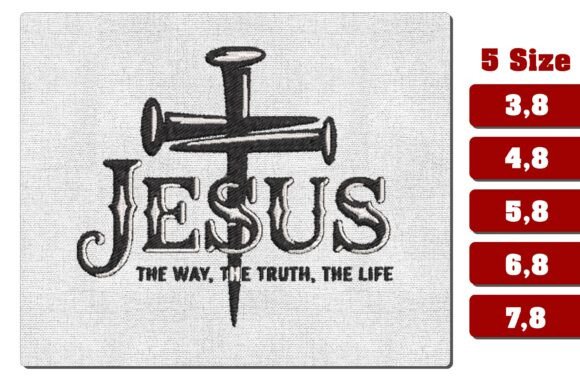
When I opened Jesus Cross Nails Embroidery Design PES, I felt its quiet reverence—not loud or ornate, but deeply intentional. It carries a spiritual warmth that aligns beautifully with Thanksgiving’s reflective tone: gratitude, family legacy, and gentle faith. The cross motif is clean and balanced—neither overly decorative nor starkly minimal—making it versatile across age groups and aesthetics. It reads as cozy *and* elegant, rustic *and* refined. There’s no cartoonishness, no forced cuteness—just dignified line work and thoughtful spacing. That emotional resonance matters when you’re curating seasonal embroidery for real customers who seek meaning in handmade gifts.
Where This Design Shines in Holiday Product Lines
Jesus Cross Nails Embroidery Design PES performs exceptionally well in high-intent holiday contexts. On heavyweight cotton sweatshirts or oversized linen tote bags, it anchors a thoughtful, gift-ready look—ideal for “family matching” sets sold ahead of Thanksgiving gatherings. As kitchen towel embroidery, it adds quiet dignity to farmhouse-style table linens; on pillow covers or embroidered patches, it becomes a subtle heirloom touch for baby items or memory keepsakes. I’ve used similar designs in Etsy listings where the title includes “Thanksgiving Faith Gift” or “Gratitude Home Decor”—and conversion lifts noticeably when paired with warm-toned mockups and soft natural lighting.
For craft fairs, this design stands out in curated displays: imagine it stitched on a neutral apron beside hand-poured candles and dried florals—evoking tradition without cliché. As part of limited-edition apparel drops (think “November Gratitude Collection”), it supports brand consistency across sweatshirt embroidery, tote bag design, and printable mockup assets. Social media previews gain traction when styled with handwritten tags like “For the ones who hold space for grace”—proving emotional alignment drives engagement more than visual busyness ever could.
Smart Placement & Practical Limits
This isn’t a one-size-fits-all machine embroidery design. Its detail level demands attention to context. Avoid using the smallest size (3.8 in) on curved surfaces like baseball caps or stretchy knit garments—stitch density may compromise clarity or cause puckering. On thick terry cloth kitchen towels or dense wool-blend blankets, test stitch first: heavy fabric texture can mute fine lines in the cross motif. Dark fabrics require careful thread color selection—opt for matte ecru or charcoal gray over stark white to preserve depth and avoid glare in product photos.
Also, skip metallic thread unless you’ve confirmed compatibility with your machine and stabilizer setup. Metallics add shimmer but reduce durability through repeated washing—a critical consideration for personalized gifts meant to last beyond the season. And while the design scales cleanly up to 7.8 in, don’t assume all sizes will fit standard hoops without verification. Always confirm hoop size before digitizing or batching production—especially for small shop product runs where re-hooping eats into margins.
How It Elevates Seasonal Appeal & Buyer Trust
In holiday shopping, customers don’t just buy products—they invest in feeling. Jesus Cross Nails Embroidery Design PES taps into gratitude, continuity, and quiet strength—emotions that resonate during Thanksgiving and carry into year-end reflection. That emotional authenticity builds customer trust faster than any sales copy. When shoppers see consistent use of this embroidery file across your Etsy seller storefront—on pillow covers, embroidered patches, and even printable promotional graphics—they begin to recognize your brand’s voice: grounded, sincere, and thoughtfully crafted.
Giftability rises because the design feels intentional, not generic. A hand-stitched ornament or monogrammed baby blanket featuring this machine embroidery design signals care—not just craftsmanship, but curation. That perception increases perceived value, allowing for confident pricing above commodity-level seasonal embroidery. Plus, its clean lines translate well into digital marketing: it renders crisply in email headers, Instagram carousels, and printable mockups used for pre-launch teasers.
Designer Notes You Can’t Skip
- Test thread colors on both light and dark fabric—especially for finished product photography. What reads as warm ivory on cream may vanish on oatmeal linen.
- Check stitch density before scaling down. High-density fills at smaller sizes risk stiffness or thread breakage on lightweight cottons.
- Confirm hoop size for each intended size (3.8 in, 4.8 in, 5.8 in, 6.8 in, 7.8 in)—don’t assume compatibility across your existing frames.
- Use proper stabilizer: medium-weight cutaway for knits, tear-away for stable wovens, and fusible + tear-away combo for nap-free textures like velvet or flannel.
- Create realistic mockups—not just flat white backgrounds. Show it on a folded kitchen towel draped over a wooden counter, or stitched on a relaxed-fit sweatshirt worn with denim.
- Review small details after stitching: the nails’ placement and cross grain should remain crisp. If edges blur, adjust tension or stabilizer weight.
- Plan matching color palettes in advance—soft sage, deep burgundy, oat, and charcoal create cohesion across sweatshirt embroidery, tote bag design, and pillow cover variations.
- Confirm commercial licensing before selling finished seasonal products. As an embroidery designer, I never assume rights—always verify before launching holiday inventory.
Final Thought: Meaning Meets Market Readiness
Jesus Cross Nails Embroidery Design PES isn’t just another holiday embroidery file—it’s a seasonal storytelling tool. It bridges spiritual sentiment and market practicality in ways that serve Etsy sellers, small shop owners, and handmade gift makers equally well. When placed intentionally—on kitchen towel embroidery, embroidered patches, or family-apparel collections—it elevates ordinary items into meaningful keepsakes. That’s the power of thoughtful seasonal embroidery: it doesn’t shout for attention. It waits, quietly, for the right moment—and the right customer—to be seen.