Nativity Star: A Radiant Embroidery Design for Meaningful Gifts
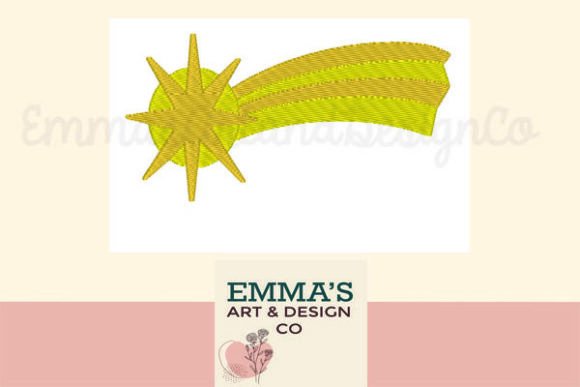
As an embroidery designer who’s developed over 300 custom machine embroidery designs for small shops, baby boutiques, and Etsy sellers, I test every new file not just for stitch quality—but for storytelling power. When I opened the Nativity Star embroidery file, I felt that quiet lift you get when a design immediately lands in the heart. It’s not flashy or trendy—it’s warm, reverent, and quietly luminous. This isn’t just another Christmas motif. It’s a golden shooting star with gentle radiating lines and subtle tapering points—evoking the Star of Bethlehem without literal figuration. That restraint is its strength: it reads as elegant, not kitschy; timeless, not dated.
The mood is soft reverence—sweet but not saccharine, classic but not stiff. You’ll notice no dense fill areas or micro-detailing that risks stitching failure on textured fabric. Instead, the Nativity Star uses graceful satin-stitched rays and a balanced open center, making it highly legible at sizes from 3.5” to 6”. That versatility matters deeply when you’re planning personalized gifts: a tiny version on a newborn onesie collar? Possible. A bold 5.25” statement on a linen pillow cover? Confidently clean. Its emotional appeal leans into hope, guidance, and quiet celebration—ideal for customers seeking depth over decoration.
For baby embroidery, the Nativity Star shines on organic cotton swaddles, muslin blankets, and knit nursery pillows. Its open structure avoids stiffness, so it won’t compromise fabric drape or baby-safe softness. As a wedding gift, it adds sacred nuance to ivory linen napkins, monogrammed aprons for the couple’s first holiday kitchen, or even a framed hoop art keepsake stitched on silk-blend fabric. Think: “Est. 2024” + Nativity Star + couple’s initials—a subtle nod to faith, family, and new beginnings.
This design also elevates everyday items with intention. An embroidered towel becomes more than functional—it’s a ritual object. A custom tote bag with the Nativity Star at the corner feels curated, not mass-produced. And for craft fairs or Etsy listings? It photographs beautifully against natural light and neutral backdrops. The golden thread suggestion (even if substituted with high-sheen rayon or metallic-look polyester) catches light just enough to signal handmade care—not factory gloss.
Where Nativity Star truly supports small shop product strategy is in perceived value. Customers don’t just buy a star—they buy symbolism, continuity, and care. That lifts price tolerance naturally. A $28 embroidered kitchen towel with this design feels like a meaningful heirloom, not a seasonal impulse. For Etsy sellers, that translates to stronger reviews (“so special,” “felt like it was made just for us”), higher repeat engagement, and organic sharing—especially among faith-based parenting communities, interfaith couples, and minimalist Christmas shoppers.
But let’s talk real-world application. Not every surface welcomes this design equally. Avoid placing it on heavily textured terry cloth towels unless you’ve tested stabilizer layers thoroughly—the rays can blur. Skip stretchy baby knits unless you use lightweight cutaway + tear-away combo stabilizer and reduce top tension slightly. On dark fabrics, confirm your gold or ecru thread provides enough contrast—some “gold” threads dull on charcoal or navy. And never assume the design will read clearly on curved surfaces like mug cozies or rounded ornament pouches without a test hoop mockup first.
Also, steer clear of pairing Nativity Star with ultra-fine script lettering directly adjacent. Its visual weight needs breathing room. If personalizing with names or dates, place text separately—below the star on a blanket edge, or on the reverse side of a pillow cover—and keep fonts clean and medium-weight.
Here’s what I do before approving any embroidery file for customer orders—and what I recommend you do with Nativity Star:
- Always stitch a test on scrap fabric matching your intended product (e.g., waffle-weave towel, brushed cotton pillow cover, bamboo blend onesie)
- Compare thread color contrast on both light and dark fabric swatches—don’t rely on screen previews alone
- Confirm hoop size compatibility with your machine and product type (e.g., a 4x4 hoop works for most towel corners; larger versions may need 5x7)
- Review stitch density—this design errs on the lighter side, which is ideal for delicate fabrics and frequent washing, but double-check for skipped stitches on high-speed runs
- Use appropriate stabilizer: medium-weight cutaway for stable fabrics like linen or quilting cotton; tear-away + light cutaway hybrid for knits or towels
- Check small details post-stitch: gently tug fabric to ensure ray tips haven’t frayed or pulled—especially after laundering tests
- Verify commercial licensing before selling finished products. If the Nativity Star embroidery file includes a license, read it carefully—many require attribution or restrict certain product categories
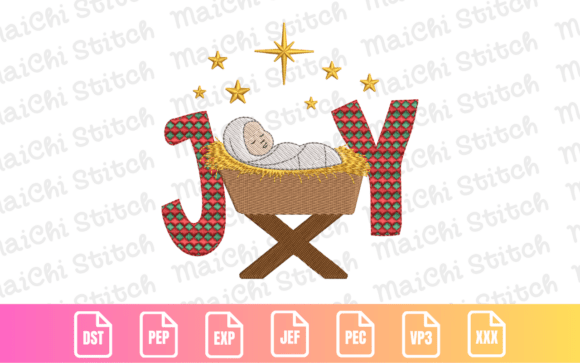
For digital embroidery file sellers, this design is a quiet powerhouse. It pairs effortlessly with coordinating motifs—simple olive branches, minimalist manger silhouettes, or even a single “peace” or “joy” word art file. Bundle it thoughtfully, and you’ll see strong cross-sell rates with baby embroidery collections or wedding gift suites.
And for handmade product creators building a brand around meaning—Nativity Star isn’t just a Christmas embroidery file. It’s a touchpoint. A way to say, “I chose something that holds weight.” Whether stitched on a grandmother’s hand-knit blanket, a newlywed’s breakfast apron, or a hospital welcome bundle for a December baby, it carries resonance beyond the season.
If you’re selecting embroidery files for your small shop product line this year, give Nativity Star serious consideration—not just for its technical grace, but for how warmly it invites connection. In a market flooded with fast, forgettable designs, this one lingers. Like light itself.