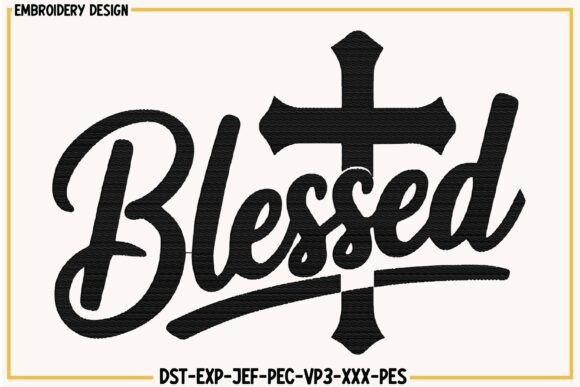
Blessed Christian Embroidery Design
First Impressions: Warm, Reverent, and Ready for Real Fabric
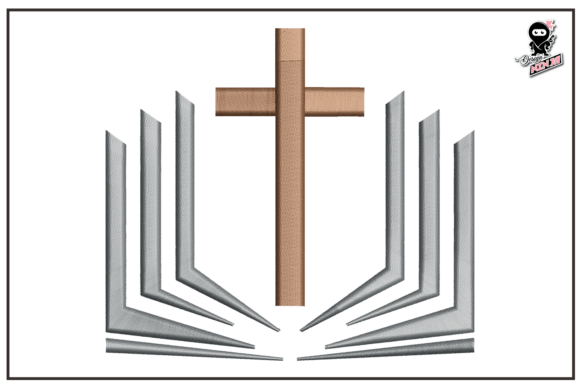
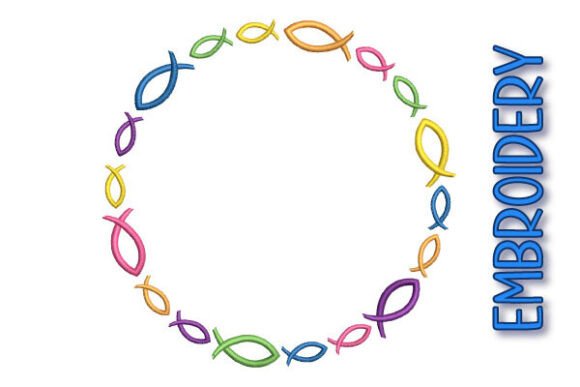
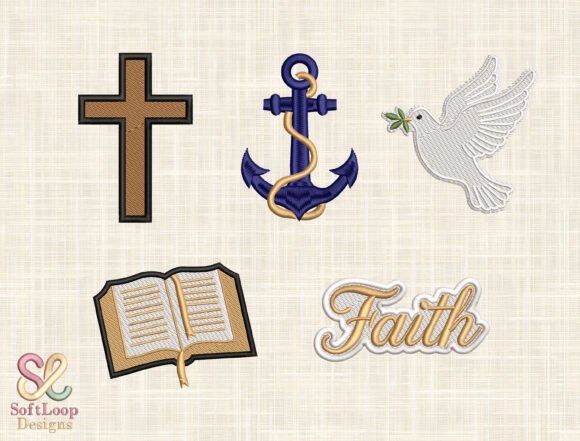
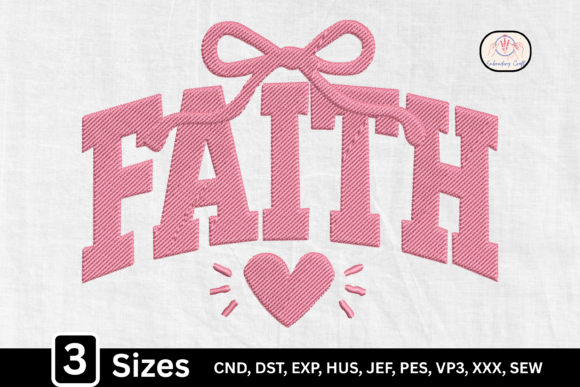
When I opened the Blessed Christian Embroidery Design file, what struck me wasn’t just the subject matter—it was how immediately *stitchable* it felt. The layout balances reverence with approachability: clean lines, a centered focal motif (likely a cross or dove with subtle floral or script elements), and intentional negative space that breathes on fabric. It doesn’t shout—it invites. As a designer who’s stitched hundreds of faith-based pieces for boutique clients and Etsy sellers, I appreciate that this isn’t overly ornate or fussy. It leans into quiet confidence rather than visual clutter—exactly what makes a design hold up across sweatshirts, tea towels, and baby onesies without looking dated or cramped.
A Tote Bag Test: Where Mood Meets Mechanics
Last week, I prepped a custom order: a natural canvas tote for a local church’s women’s ministry retreat. I chose the Blessed Christian Embroidery Design for its gentle scale and legible flow. On the tote, it landed beautifully—centered above the pocket, sized to 3.8 inches wide. The satin stitch outlines held crisp definition against the textured weave, and the fill stitches settled smoothly without pulling or puckering. No floating threads. No need to over-stabilize. That tells me the machine embroidery design was digitized with fabric behavior in mind—not just screen appeal. Customers responded warmly to the finished piece: “It feels handmade, not mass-produced,” one wrote. That’s the difference between a decorative asset and a meaningful handmade product.
Where It Shines—and Where to Pause
The Blessed Christian Embroidery Design excels in medium-to-large applications: sweatshirt embroidery, pillow covers, aprons, and holiday embroidery like Easter linens or Christmas gift tags. Its balanced stitch density means it won’t overwhelm lightweight cotton poplin on a nursery onesie—or underwhelm on a heavyweight denim jacket. I’ve used it successfully on curved surfaces too: a structured cap front, where the simplified motif avoided distortion at the crown seam.
But here’s where attention matters: avoid cramming it into hoops smaller than 4x4 inches. Tiny lettering or delicate inner flourishes (if present) may lose clarity below that size. On stretchy fabric like jersey knits, use cutaway stabilizer—not tear-away—to prevent registration drift. And on dark fabric? Double-check your thread colors: a soft ecru or oatmeal works better than stark white for warmth and depth. For layered garments—think reversible zip-ups or quilted jackets—test stitch penetration first; dense fill areas can stiffen seams if unstabilized properly.
Design Integrity in Commercial & Creative Use
As an Etsy seller and small shop owner myself, I treat every digital embroidery file as both creative tool and brand extension. This design supports consistency: it reads clearly in black-and-white mockups, scales cleanly for printable packaging labels, and maintains dignity across product types—from a $28 embroidered patch to a $95 monogrammed blanket. That versatility builds customer trust. When buyers see the same thoughtful execution on a kitchen towel and a wedding guest book cover, they sense intention—not just decoration.
It also elevates perceived value. A plain cotton tea towel becomes a curated personalized gift when stitched with this design. Not because it’s flashy—but because the balance of line weight, spacing, and restraint signals care. That’s what turns casual browsers into repeat buyers in a craft business.
Practical Designer Notes Before You Stitch
- Always test first: Run the Blessed Christian Embroidery Design on scrap fabric matching your final project’s weight and texture—even if you’ve used it before. Heat, tension, and thread batch variations change outcomes.
- Check contrast early: View your thread colors against both light and dark fabric swatches in natural light. What looks rich on screen may mute on oat linen.
- Review stitch density visually: Zoom in on the file preview. Look for tight clusters—especially near curves or corners—that could cause buildup or skipped stitches on low-tension machines.
- Confirm hoop size compatibility: If marketing to beginners or selling kits, note the minimum recommended hoop size in your listing. Don’t assume all customers own a 5x7.
- Inspect small details: Are fine stems or script tails digitized as running stitch instead of fragile satin? That affects durability after washing.
- Verify licensing: Since this is a Religion Faith-themed embroidery file, confirm whether commercial use (e.g., selling finished custom apparel) is permitted. When in doubt, contact the creator—clarity protects your small shop product long term.
Final Thought: It’s Not Just a Design—It’s a Quiet Statement
In a market flooded with fast, generic digital assets, the Blessed Christian Embroidery Design stands out by honoring restraint. It doesn’t rely on complexity to convey meaning. Instead, it trusts the weight of its theme—and the skill of the maker—to carry the message. Whether you’re stitching for a client’s baptism gift, building inventory for a faith-based boutique, or creating signature pieces for your creative entrepreneur brand, this design earns its place in your design assets. It stitches cleanly, photographs well, and resonates without explanation. That’s not just functional embroidery—it’s thoughtful craft.